

How to Improve Home Coffee Brewing: A Complete Guide
Table of Contents
- The Fundamentals of Home Coffee Brewing
- Best Coffee Beans for Home Espresso Machines and Pour-Over
- Coffee Brewing Ratios for Beginners
- Water Quality and Temperature Control
- How to Store Coffee Beans for Maximum Freshness
- Troubleshooting Bitter or Sour Coffee
- Equipment Essentials and Maintenance
- Sustainable Practices and Budget-Friendly Hacks
- Frequently Asked Questions
Last Updated: October 4, 2026
The Fundamentals of Home Coffee Brewing
Home coffee brewing improves when you understand extraction, the process of dissolving soluble compounds from coffee grounds into water. Correct extraction produces clarity, sweetness, and complexity; incorrect extraction tastes bitter or sour.
Fresh beans matter, but technique matters equally. Freshness alone won't save a poorly brewed cup.
Brewing is controlling how aggressively water pulls soluble compounds from grounds. Too fast (under-extraction) tastes sour and thin; too slow (over-extraction) tastes bitter and harsh. The sweet spot is narrow, which is why consistency matters.
Master the three variables that control extraction, grind size, water temperature, and brew time, and brewing becomes predictable.
Best Coffee Beans for Home Espresso Machines and Pour-Over
Beans set the ceiling for what's possible in your cup. Start with freshly roasted, single-origin beans rather than pre-ground supermarket coffee that's been sitting in a warehouse for months.
Fresh beans have aroma and clarity; stale beans taste flat regardless of technique. Al Di Là's roasted-to-order approach means beans arrive at peak freshness, typically within days of roasting.
For espresso machines, look for beans with a medium to medium-dark roast. These roasts develop the body and sweetness that espresso extraction demands.
Our Single Origin Favorites Sample Pack includes six origins in 2-ounce portions: Brazil Santos, Colombia, Costa Rica, Ethiopia, Honduras, and Tanzania. Tasting across origins teaches your palate what extraction clarity sounds like.

Quality beans come from careful sourcing and recent roasting, not commodity blends sitting in warehouses for weeks.
Coffee Brewing Ratios for Beginners
A coffee-to-water ratio removes guesswork. The standard ratio is 1:16 (one part coffee to sixteen parts water by weight), which works for most brewing methods.
Use a kitchen scale: measure dry grounds and multiply by 16 for target water weight. For 20 grams of coffee, use 320 grams of water.
Adjust the ratio based on taste: 1:15 for stronger, 1:17 for lighter. Under-extraction (weak, sour) needs more coffee or hotter water; over-extraction (bitter, harsh) needs less coffee or cooler water.
Understanding Extraction and Balance
Ideal extraction is 18-22% of dry coffee weight. Below 18% tastes sour and thin; above 22% tastes bitter and astringent.
Learn to taste extraction: sour means water moved too quickly (use finer grounds, hotter water, or longer contact time); bitter means water stayed too long (use coarser grounds, cooler water, or faster flow); balanced tastes clean, sweet, and complex.
The three levers for controlling extraction are grind size, water temperature, and brew time. Finer grinds increase surface area and slow water flow, extending extraction. Hotter water dissolves soluble compounds faster. Longer brew times allow more extraction. Adjust one variable at a time, taste, and adjust again.
Water Quality and Temperature Control
Water makes up 98% of brewed coffee. Mineral content dramatically affects extraction and taste through specific chemical mechanisms.
The Chemistry of Mineral Content and Extraction
Pure distilled water under-extracts because it lacks minerals. Magnesium and calcium ions help dissolve coffee's acidic compounds; without them, water passes through grounds too quickly, producing thin, sour cups.
Hard water over-extracts, dissolving harsh tannins and bitter alkaloids, and leaves scale deposits that reduce equipment lifespan.
The ideal water has moderate mineral content, around 150 parts per million of total dissolved solids (TDS), with a balance of magnesium and calcium. This range is sometimes called "moderately hard" water and is what most specialty coffee professionals target.
Testing and Adjusting Your Water
If tap water tastes good and leaves no visible scale, it's acceptable. For precision, inexpensive TDS meters measure mineral content in seconds.
Below 50 ppm (very soft): add mineral-rich salt or use a remineralization filter. Above 300 ppm (very hard): use a basic carbon filter pitcher to bring water into the ideal range.
If water tastes chlorinated, use activated carbon to remove it within minutes.
Temperature Control for Consistency
Ideal brewing temperature is 195-205°F. Below 190°F under-extracts; above 210°F scorches grounds and creates harsh flavors.
Let boiling water cool 30 seconds before pouring (approximately 200°F). An inexpensive instant-read thermometer removes guesswork.
A gooseneck kettle with temperature control improves consistency more than almost any other upgrade, giving you control over pour rate and ensuring you hit your target temperature every time.
Water Quality and Equipment Longevity
Hard water leaves scale that reduces equipment efficiency. Descale monthly with a 1:1 vinegar-to-water solution, or every two weeks if you brew daily.
How to Store Coffee Beans for Maximum Freshness
Beans peak 5-14 days after roasting. Al Di Là's roasted-to-order approach means beans arrive days after roasting, not weeks or months later.

Store beans in an airtight container in a cool, dark cupboard. Avoid refrigerators and freezers (condensation degrades beans). Grind whole beans just before brewing.
Buy only what you'll use within two to three weeks. A bag of beans sitting in your pantry for two months will taste noticeably flatter than fresh beans. This is why subscription services make sense for coffee lovers, you get fresh beans regularly without the waste of buying too much at once.
Troubleshooting Bitter or Sour Coffee
Most home brewers troubleshoot by guessing. They taste something wrong, adjust one variable, and hope for the better. A better approach is to learn what under-extraction and over-extraction actually taste like, so you can diagnose the problem before you adjust anything.
Developing Your Sensory Baseline
Before you can fix a problem, you need to recognize it. Spend one brewing session intentionally making a sour cup and another making a bitter cup. This trains your palate to recognize the difference.
To make a sour cup intentionally: Use a coarse grind (like sea salt), water at 190°F, and a short brew time (2-3 minutes for pour-over). Taste it.
To make a bitter cup intentionally: Use a very fine grind (like powdered sugar), water at 210°F, and a long brew time (6-8 minutes). Taste it.
Once you've tasted both extremes, brew a balanced cup using medium grind, 200°F water, and a 4-minute brew time. Notice the difference. Balanced coffee tastes clean and sweet with complexity, you can taste multiple flavor notes, whether that's chocolate, fruit, or floral characteristics.
Diagnosing Your Current Brew
When your coffee tastes wrong, ask yourself three diagnostic questions:
Does it taste sour (sharp, thin, acidic)? You're under-extracting. The water moved through the grounds too quickly. Fix this by:
- Using a finer grind (one notch finer on your grinder)
- Increasing water temperature by 5°F
- Extending brew time by 30 seconds
- For pour-over specifically, pour more slowly and let the water fully saturate the grounds before the next pour
Start with one change only. Taste the next cup. If it's better but still slightly sour, adjust again. If it's now bitter, you over-corrected, go back one step.
Does it taste bitter (harsh, astringent, lingering unpleasantly)? You're over-extracting. The water stayed in contact with the grounds too long. Fix this by:
- Using a coarser grind (one notch coarser on your grinder)
- Decreasing water temperature by 5°F
- Shortening brew time by 30 seconds
- For pour-over specifically, pour faster and reduce the total contact time
Again, change one variable at a time. Over-extraction is often the result of using too fine a grind, so grind adjustment is usually the first lever to pull.
Does it taste flat or muted (no clarity, no complexity)? This usually means stale beans rather than an extraction problem. Check the roast date on your bag. Beans are at peak flavor 5-14 days after roasting; after 30 days, they taste noticeably flatter. If your beans are fresh and the coffee still tastes flat, you may be slightly under-extracting, try a finer grind or hotter water.
The Most Common Mistake
The most common mistake is blaming the beans when the problem is technique. Fresh, quality beans brewed with poor technique will still taste wrong. A mediocre bean brewed perfectly will taste better than a great bean brewed poorly. Master your technique first by dialing in your grind, temperature, and brew time. Once you're consistently producing balanced coffee, then explore different origins and roast levels to discover what each one offers. This progression builds confidence and prevents the frustration of thinking you have a bean problem when you actually have a technique problem.
Equipment Essentials and Maintenance
The equipment you choose shapes how you brew. A pour-over dripper is simple and forgiving, it's a good starting point. A French press produces a fuller-bodied cup because the grounds stay in contact with water the entire time.
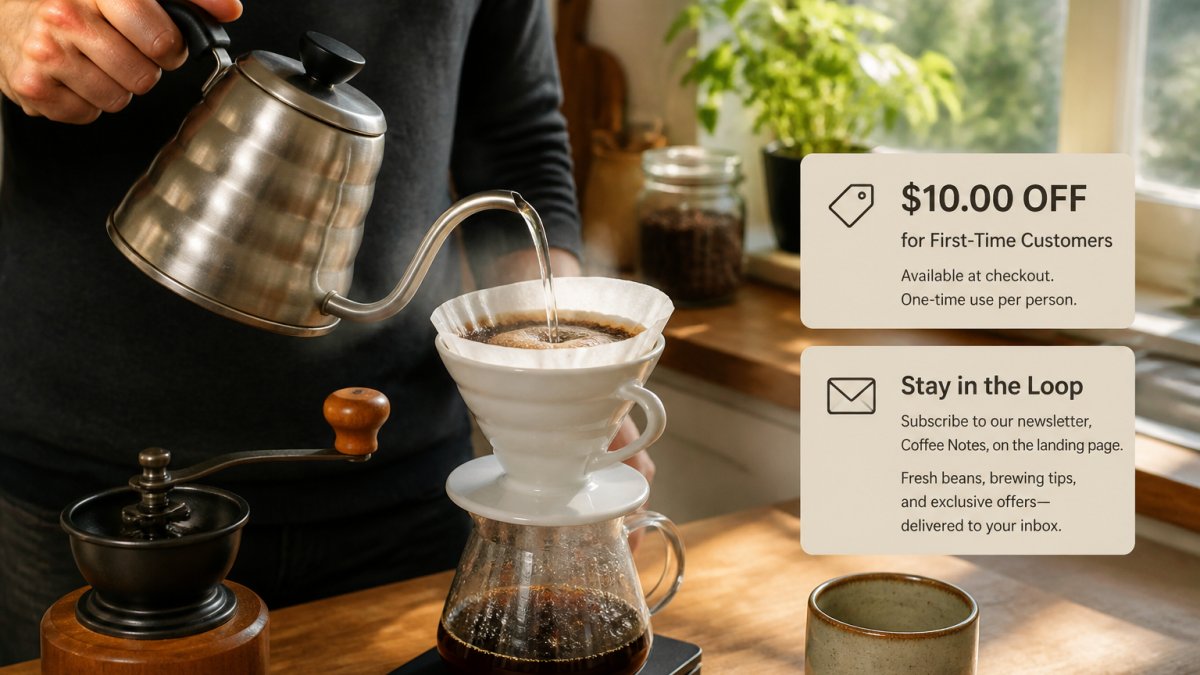
Whichever method you choose, invest in a burr grinder, not a blade grinder. A burr grinder produces consistent particle size, which is essential for even extraction. Blade grinders create uneven chunks and dust, making it impossible to control your brew.
Clean your equipment regularly. Coffee oils build up over time and can make future brews taste rancid. Rinse your dripper or press after each use.
Sustainable Practices and Budget-Friendly Hacks
Coffee production has environmental costs. Sourcing matters, look for beans grown using shade-grown or organic practices. At Al Di Là, we prioritize direct relationships with growers who use sustainable farming methods.
Reduce waste by buying whole beans and grinding at home rather than buying pre-ground coffee or single-use pods. If you do use pods, look for compostable options. Save your used grounds for composting or as a garden amendment.
For budget-conscious brewing, a pour-over setup costs almost nothing, a ceramic or plastic dripper, filters, and a kettle. You don't need expensive equipment to brew good coffee.
Al Di Là offers Cold Brew Coffee blends specifically formulated for cold brewing, available at $24.99. Cold brew is an economical way to make coffee that lasts several days, brew once, drink all week. Our instant coffee options at $20.99 are also budget-friendly for travel or when you need coffee quickly.

Improving your home coffee brewing is a journey, not a destination. Start by understanding extraction, invest in a scale and a burr grinder, and taste your way toward consistency.
Frequently Asked Questions
What is the ideal coffee-to-water ratio for a balanced cup?
The standard ratio is 1:16 (one part coffee to 16 parts water by weight), which works well for most brewing methods. For a stronger cup, try 1:15; for lighter coffee, use 1:17. Using a scale ensures consistency. Beginners often rely on volume measurements, but weight-based ratios eliminate guesswork and produce repeatable results every time.
How does water temperature affect the flavor of my home coffee brewing?
Water temperature between 195-205°F extracts the right balance of flavors. Too hot (above 205°F) over-extracts, creating bitter, harsh notes. Too cool (below 195°F) under-extracts, leaving sourness and weakness. Temperature also depends on roast profile: lighter roasts benefit from slightly hotter water, while darker roasts work well at the cooler end of the range.
Why is using a burr grinder essential for better coffee?
Burr grinders produce uniform particle size, which ensures even extraction. Blade grinders create inconsistent chunks and dust, leading to both over-extracted and under-extracted grounds in the same brew. Consistent grind size means all grounds extract at the same rate, delivering balanced acidity, body, and clarity. This is the single biggest improvement most home brewers can make.
How can I keep my coffee beans fresh for longer?
Store beans in an airtight container away from heat, light, and moisture. Keep them at room temperature, refrigerators introduce condensation that damages flavor. Whole beans stay fresh for 2-4 weeks after roasting; ground coffee loses freshness within days. Buy smaller quantities more frequently, or choose roasted-to-order options like Al Di Là's beans to ensure maximum aroma and flavor in every cup.
What are the most common mistakes that ruin home-brewed coffee?
Over-extraction (too fine a grind, too hot water, or too long steeping) creates bitterness. Under-extraction (too coarse a grind or insufficient contact time) produces sourness. Using stale beans, poor water quality, or inconsistent ratios also degrades flavor. Many brewers also neglect equipment maintenance, oils build up in grinders and filters, muting clarity and introducing rancid notes.
What brewing method is best for beginners?
Pour-over and French press are ideal starting points. Pour-over offers direct control over water temperature and contact time, teaching extraction principles quickly. French press requires less equipment and produces a rich, full-bodied cup. Both methods are forgiving enough for beginners while allowing room to experiment and improve. Start with one, master it, then explore others.
How do I know if my coffee is under-extracted or over-extracted?
Under-extracted coffee tastes sour, thin, and weak, flavors are sharp and acidic. Over-extracted coffee tastes bitter, harsh, and flat, complexity disappears. Under-extraction usually means shorter brew time, coarser grind, or cooler water. Over-extraction points to longer brew time, finer grind, or hotter water. Adjust one variable at a time and taste the difference to dial in your ideal extraction.